


New Diet and Nutrition Myths Debunked 2026

For years, diet culture has shaped the way we think about food. From low-fat
cookies to low-carb everything, and of course today's explosion of high-
protein snacks, nutrition trends constantly evolve. Marketing plays a powerful role in developing our beliefs, often blurring the line between
science and sales.
In recent years, research in metabolism, gut health, and appetite regulation
has given us a more science-based understanding of dieting. While the
fundamentals still matter, the conversation has shifted.
Let’s separate evidence from fuss. Here are the most common diet and
nutrition myths in 2026—debunked using the latest findings.
Myth: Large Calorie Deficits are The Fastest Way to
Lose Weight
Reality: Severe restriction often backfires metabolically and hormonally.
The standard "calories in versus calories out" model still applies, at a basic
physics level. However, modern research shows that the body is not a simple
calculator. When calories are drastically reduced, our body adapts.
Studies over the past years have backed up this concept of metabolic
adaptation. When you cut calories aggressively, resting metabolic rate (RMR)
often decreases. Hunger hormones like ghrelin increase, while satiety
decreases. The result? You feel hungrier, more fatigued, and your body burns
fewer calories at rest.
Research also highlights the importance of preserving lean muscle mass
during weight loss. Muscle tissue impacts metabolism greatly. Severe calorie
deficits without adequate protein and resistance training are a recipe for
disaster! The outcomes are muscle loss, which further lowers metabolic rate.
The best strategy is to emphasize a moderate deficit, sufficient protein intake,
strength training, and dietary quality. Sustainable weight loss is less about
extreme restriction and more about metabolic support.
Myth: "Low-Fat" and "Diet" Foods are Healthier
Reality: Many "Diet" foods are ultra-processed and may not be optimal
for weight loss.
The low-fat craze has faded; however, it has been replaced with "keto-
friendly", "sugar-free", and "high-protein" marketing. The issue remains the same: a label does not guarantee nutritional quality.
Processed foods are associated with higher overall calorie intake. Findings
suggest that ultra-processed foods may alter satiety signaling, leading people
to eat more overall compared to whole-food diets.
In many reduced-fat or sugar-free products, fats are replaced with refined
starches, artificial sweeteners, or emulsifiers. Emerging research is exploring
how some additives may influence the gut microbiome, potentially impacting
metabolism and appetite regulation.
A general rule is to prioritize minimally processed foods. Healthy fats from
nuts, seeds, olive oil, fatty fish, and avocados are the go-to options. Quality
matters more than marketing.
Myth: Carbohydrates are The Main Driver of Weight
Gain
Reality: The amount of carbs matters more than their type.
Low-carb diets remain popular, and for some they can be effective. But
carbohydrates themselves are not inherently fattening.
Recent large-scale studies show that dietary patterns rich in whole grains,
fruits, and vegetables are linked with lower body mass and reduced risk of
chronic disease. These foods are high in fiber, which improves satiety,
supports gut health, and helps regulate blood sugar.
What tends to drive weight gain is an excess of refined carbs - sugary
beverages, white flour products, and ultra-processed foods in general -
combined with a calorie surplus.
Additionally, carbohydrate impact can vary from person to person.
Experience suggests that people respond differently to the same foods based
on genetics, microbiome, insulin sensitivity, and activity levels.
Instead of eliminating carbs, current guidance emphasizes choosing high-
fiber, minimally processed sources, and adjusting intake based on activity level and metabolic health.
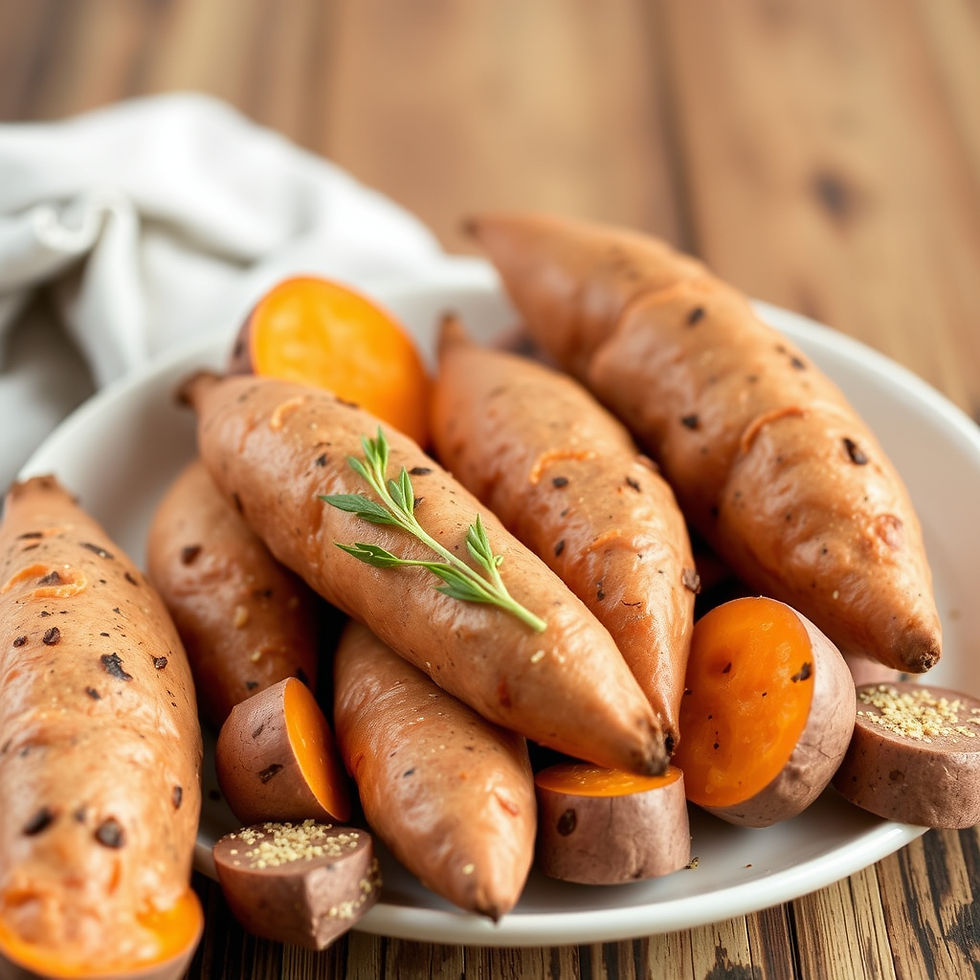
Myth: Sweet Potatoes are "Good" and White
Potatoes are "Bad"
Reality: Both can fit into a healthy diet; preparation and quantities
matter more.
Sweet potatoes gained the "superfood" status, while regular potatoes were
unfairly demonized. In reality, both are nutrient dense.
This is a common practice amongst dieters, believing in hyped foods over
equally as valid choices. Don't fall for this trap; any natural and whole source
of carbs is optimal for a weight-loss diet.
The key are the quantities and the way these foods are prepared.
Myth: Dairy is the Only Reliable Source of Calcium
Reality: Calcium is widely available in plant-based and seafood sources.
Dairy products are a convenient calcium source; however, they're not
essential for meeting daily needs. Leafy greens, fortified plant milks, tofu,
almonds, sesame seeds, beans, and small fish all provide meaningful amounts
of calcium.
Actually, bone health depends on more than just calcium intake. Vitamin D,
vitamin K2, magnesium, protein consumption, and resistance training all
contribute to bone density.
Myth: Vegetarians and Vegans Don't Get Enough Protein
Reality: A properly balanced plant diet can fully meet protein
requirements.
Protein remains crucial for muscle maintenance, satiety, weight loss, and
health overall.
While animal proteins are "complete" (containing all essential amino acids),
plant-based eaters can easily meet protein needs through legumes, tofu,
tempeh, lentils, quinoa, nuts and seeds, and whole grains. The outdated belief
that protein must be combined within a single meal has largely been
debunked.
Modern findings suggest that someone aiming for fat loss and muscle
preservation benefits from approx. 1.2-1.6 grams of protein per kilogram of
body weight per day. Athletes or those in large deficits may require slightly
more.
Plant-based protein powders and fortified foods have also expanded options
in 2026, making adequate intake easier than before.
Latest Myth: Weight Loss is Just About Willpower
Reality: Hormones, sleep, stress, medication, and environment all
strongly influence body weight.
Perhaps the most significant shift in recent years is the proven fact that
weight loss is biologically complex.
Hormones such as insulin, ghrelin GLP-1, and cortisol all influence hunger
and fat storage.
Sleep deprivation has been shown to increase hunger and reduce insulin
sensitivity. Chronic stress elevates cortisol, which may contribute to fat
accumulation, particularly in the abdomen.
The modern approach to weight management takes a systematic approach:
nutrient-dense food, adequate protein, strength training, sleep optimization,
stress management, and correct supplementation.
So, What Actually Works in 2026?
Despite the noise, the fundamentals of effective nutrition remain the same:
• Focus on whole, minimally processed foods
• Eat sufficient protein to preserve muscle
• Prioritize fiber-rich carbohydrates
• Include healthy fats
• Maintain a moderate, sustainable calorie deficit if fat loss is the goal
• Strength train regularly
• Sleep 7–9 hours per night
• Manage stress
Diet trends will always be there; marketing will continue to repackage old
ideas into new forms. But long-term health and weight management are built
on consistency, balance, and sustainability - not extremes.
In 2026, the real takeaway isn’t some new superfood or a strict diet that cuts
out entire food groups. It’s much simpler than that: eating works best when
you support your body instead of fighting it. When you take care of your
metabolism, hormones, and overall health, it’s easier to see results—and
much easier to keep them without feeling overwhelmed.


Nhà cái kubet mình ghé thử vì thấy nhiều người bàn tán, muốn coi giao diện có dễ nhìn không. Vào cái là thấy bố cục khá gọn, các mục tách rõ nên lướt một vòng là biết chỗ nào là gì, không bị rối mắt. Phần thông tin nạp với rút trình bày dễ hiểu, liệt kê từng bước nên không phải mò lâu, lại có mấy phương thức quen thuộc. Mình xem bằng điện thoại cũng ổn, cuộn trang mượt, tiêu đề phân khu rõ ràng nên đọc nhanh. Tổng thể đơn giản, không màu mè quá.